Pope Leo XIV Appoints Three New Members to Pontifical Committee for Historical Sciences
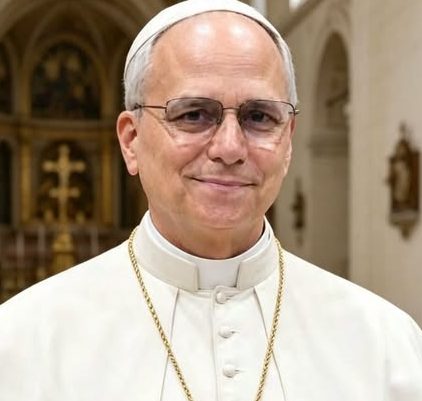
Pope Leo XIV has appointed three distinguished scholars from Italy, the United States, and Poland as new members of the Pontifical Committee for Historical Sciences, bringing additional academic expertise to a Vatican body dedicated to the study of Church history and the preservation of its documentary heritage.
According to Vatican News, the Pope appointed Professor Umberto Longo, Professor Francesco Cesareo, and Professor Anna Barańska to the committee.
Longo serves as director of the Italian Historical Institute for the Middle Ages in Rome, while Cesareo is president emeritus of Assumption University in Worcester, Massachusetts, in the United States. Barańska is an associate professor in the Faculty of Humanities at the John Paul II Catholic University of Lublin in Poland, according to Vatican News.
The appointments bring together historians from three countries and add new academic experience to an institution whose work has long focused on the study of Church history and the preservation of the Catholic Church’s rich documentary heritage.
A Committee With Deep Historical Roots
The Pontifical Committee for Historical Sciences was established in 1954 by Pope Pius XII. Its origins, however, stretch back even further.
According to Vatican News, the committee inherited the tradition of the Cardinal Commission for Historical Studies, which was established by Pope Leo XIII through the Apostolic Letter Saepenumero considerantes on August 18, 1883.
For more than seven decades, the Pontifical Committee for Historical Sciences has contributed to the study of the history of the Catholic Church while supporting scholarly research into historical documents and archives connected to the Holy See.
Its work highlights the importance of preserving the Church’s historical memory and ensuring that scholars can responsibly study the events, people, institutions, and developments that have shaped Catholic life throughout the centuries.
Focus on the Vatican Archives
One of the committee’s important areas of attention has been the Vatican Archives and access to historical documents preserved by the Holy See.
The archives contain an enormous body of historical material connected to the Catholic Church and its activities across different periods and regions of the world. Such documents provide researchers with valuable primary sources for studying Church history.
Vatican News reported that the committee has maintained a particular interest in scholars’ access to these historical collections. Over the years, numerous appeals have been made to the popes seeking greater and improved scholarly access to the archival heritage of the Holy See.
The preservation and study of these documents allow historians to examine the Church’s past through original sources, helping deepen understanding of its historical development and its relationship with different societies and cultures.
Three Scholars From Three Countries
The appointments of Longo, Cesareo, and Barańska also highlight the international nature of the Catholic Church and the global character of historical scholarship.
Umberto Longo, from Italy, brings experience from an institution dedicated to the study of medieval history. His leadership at the Italian Historical Institute for the Middle Ages places him within an important academic tradition focused on one of the most significant periods in European and Church history.
Francesco Cesareo, from the United States, brings his experience as president emeritus of Assumption University in Worcester, Massachusetts. His academic background adds an American perspective to the committee’s work.
Anna Barańska, from Poland, serves as an associate professor in the Faculty of Humanities at the John Paul II Catholic University of Lublin. Her appointment adds further representation from Central and Eastern Europe, a region with a rich and complex Catholic history.
Together, their appointments bring diverse academic perspectives to the committee as it continues its work in historical research.
Preserving the Memory of the Catholic Church
The study of Church history is about more than looking into the past. Historical research helps the Catholic Church and wider society understand how people, communities, institutions, and ideas developed over time.
Through historical documents, scholars can study the experiences of Catholics across generations, the development of Church institutions, the lives of important figures, and the relationship between the Church and different cultures and governments.
The work of the Pontifical Committee for Historical Sciences therefore contributes to preserving an important part of the Church’s heritage for future generations.
The committee is currently chaired by Jesuit Father Marek Inglot, with Pierantonio Piatti serving as secretary, according to Vatican News.
With the appointments of Longo, Cesareo, and Barańska, Pope Leo XIV has added three scholars representing Catholic and historical institutions in Italy, the United States, and Poland.
Their arrival strengthens a Vatican committee whose roots stretch back more than seven decades in its current form and more than a century through the historical commission from which it developed.
As the Catholic Church continues to move forward, the careful study and preservation of its past remain essential. The work of historians and archivists helps ensure that the Church’s documentary heritage is preserved, studied, and made available to future generations.
Pope Leo XIV’s latest appointments therefore represent another step in the Church’s continuing commitment to historical scholarship, academic research, and the preservation of its rich documentary heritage.
For more Catholic news, faith stories, Gospel reflections, and inspiring content, visit Catholic Daily Hope.
Source: Vatican News — Pope appoints three members of the Pontifical Committee for Historical Sciences